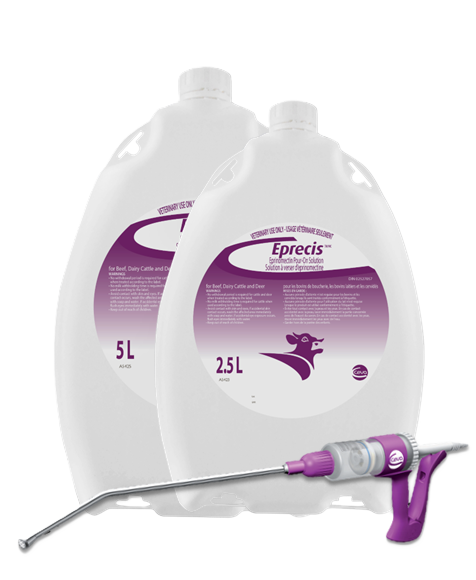
What is parasitosis?
Parasitism in ruminants refers to infestations by both internal (endo-) and external (ecto-) parasites, which are prevalent across ruminant farms worldwide ...
The impact of parasitism depends on the parasite species, the host animal, and the level of infestation. In severe cases, it can significantly compromise animal health, welfare, and productivity—ultimately affecting farm profitability. Parasites can also act as vectors for other diseases.
What types of parasites affect ruminants?
Internal parasites: may cause anemia, diarrhea, weight loss, and reduced growth or milk production. Young animals, especially during their first grazing season, are particularly vulnerable.
Internal parasites live inside the animal, either throughout their life cycle or during specific stages. Key internal parasites in ruminants include Gastrointestinal worms (e.g., Ostertagia spp., Haemonchus spp., Cooperia spp., Trichostrongylus spp), Liver flukes (e.g., Fasciola hepatical), Lungworms (e.g., Dictyocaulus filaria) and Blood protozoa (e.g., Trypanosoma species).
External parasites: can lead to skin irritation, wounds, blood loss, and disease transmission (e.g., Bluetongue, Epizootic Haemorrhagic Disease, babesiosis). They also cause stress and discomfort, reducing weight gain, and productivity.
External parasites live on or feed on the animal’s skin. These include ticks, lice, mites, grubs, mange, midges and biting flies.
Managing Parasitism
Effective parasite control requires a combination of treatment and prevention strategies:
- Targeted use of parasiticides: The choice of active ingredients depends on the parasite species, as well as the age and physiological status of the animal.
- Resistance management: With rising resistance to parasiticides, sustainable practices are essential.
These include:
-
- Selective treatment of animals
- Strategic pasture management
- Genetic selection for parasite resistance
These approaches help preserve the effectiveness of treatments, protect animal health and welfare, and support long-term farm profitability.
For further insights, explore our global blog dedicated to ruminant health.