


What is Q Fever?
Q Fever is a highly contagious zoonosis that also has a strong negative impact on the health and reproductive performance of ruminant herds. ...
How a farm becomes infected?
Coxiella Burnetti is highly infectious and highly contagious. The bacteria, due to its small size, can travel up to 18 kilometers with the wind, transmitting the disease from an infected farm to a healthy one.
Additionally, a farm can become infected through the introduction of an animal already contaminated with C. burnetii. Through the excretion of the bacteria in vaginal discharge, parturition products and feces, the infected animal will contaminate the environment and then, via airborne spread, transmit the disease to healthy animals.

When to suspect of Q Fever?
The main Q Fever symptoms in ruminants are reproductive disorders, including abortions, stillbirths, and infertility. A recent and unexplained degradation of the reproductive performances of the herd that manifest with an elevated number of retained placenta, difficult to treat metritis, and poor fertility certainly warrants a Q fever diagnostic investigation.
In goats, acute Q fever will often manifest as the main causes of abortion storms in the flock.

How can I confirm that a farm is infected?
The Q Fever diagnosis can be quite challenging, as the clinical signs are unspecific.
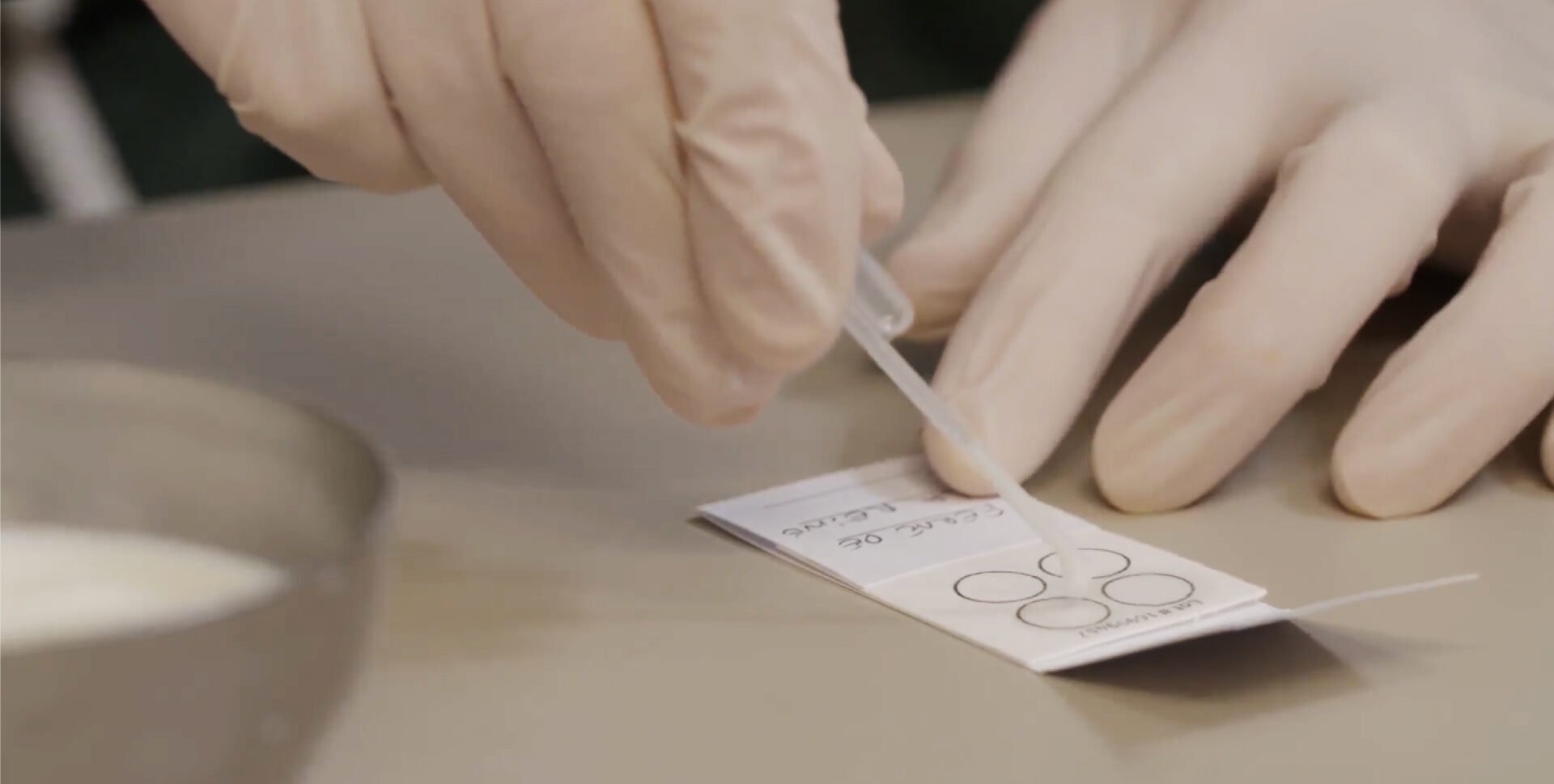
To simplify the diagnosis and build awareness of this dangerous disease, Ceva’s ruminant team has developed a new diagnostic tool for Q Fever: for more information, please contact a Ceva Animal Health representative.
Prevention is key
For further insights, explore our global blog dedicated to ruminant hea ...